
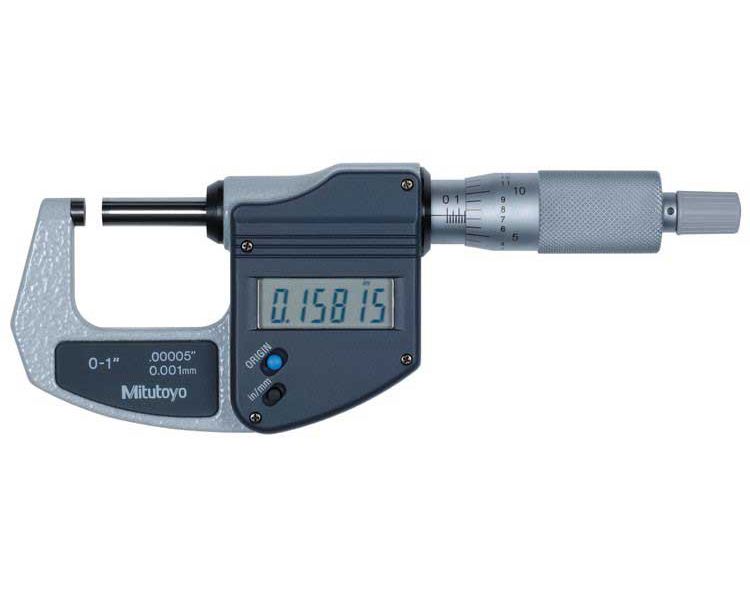
If your team measures parts, verifies tolerances, or signs off on quality reports, dimensional gages are doing a lot of heavy lifting behind the scenes. Calipers, micrometers, indicators, and other measuring tools help confirm products meet spec before they ever reach a customer.
Dimensional gage calibration keeps those tools accurate, consistent, and traceable, so your measurements stay dependable over time. Precision Scales Inc provides dimensional gage calibration through its calibration lab, supporting a wide range of tool and gage types used in production and quality environments.
What is dimensional gage calibration?
Dimensional gage calibration is the process of verifying a measuring tool’s performance against known standards and documenting the results. In practical terms, calibration answers two key questions:
- Is the gage measuring correctly across its working range?
- Can your team trust the readings for inspections, setups, and final checks?
Calibration is not only about catching tools that are “off.” It also creates documentation that supports quality control systems, customer requirements, and internal audits.
Who needs dimensional gage calibration?
Most businesses benefit from dimensional gage calibration, but it becomes essential in environments where measurement accuracy impacts safety, compliance, cost, or customer acceptance. Common examples include:
- Manufacturing and machining teams verifying tolerances and part geometry
- Quality control departments performing incoming, in process, and final inspections
- Maintenance teams checking wear, alignment, and fit of components
- Operations groups trying to reduce scrap, rework, and downtime
If your company relies on tools for measurement decisions, dimensional gage calibration is a direct investment in consistency and confidence.
What types of gages are typically included?
Dimensional calibration often covers common hand tools and instruments used in daily inspections. Precision Scales Inc specifically notes it repairs and calibrates dimensional gages from many manufacturers, including brands such as Mitutoyo, Federal, Starrett, and Brown & Sharpe.
A typical calibration program can include items like:
- Calipers and micrometers
- Indicators and comparators
- Height and depth measurement tools
- Specialty gages used for repeatable checks
How calibration protects quality, compliance, and your bottom line
Dimensional gage calibration supports your operation in three big ways:
1) Protects product quality
When tools drift out of spec, measurements become unreliable. That can lead to passing bad parts or rejecting good ones. Either outcome hurts quality performance.
2) Reduces scrap and rework
Consistent measurements help teams catch issues earlier, before they turn into large batches of nonconforming product.
3) Supports audits and traceability
Documented calibration helps demonstrate that your measurements are controlled and repeatable, which matters for customer requirements and internal quality systems.
If tools are failing in the field, it may be time to evaluate service needs.
How often should dimensional gages be calibrated?
Calibration frequency depends on tool usage, environment, and quality requirements. Tools used daily on the production floor will usually need calibration more often than tools used occasionally in a controlled inspection area. A good starting point is to set intervals based on:
- Usage intensity (daily vs periodic)
- Exposure to vibration, temperature swings, or dust
- History of out of tolerance results
- Customer or internal audit expectations
If you’re building a simple program, start with consistent intervals, then refine based on actual calibration results.