
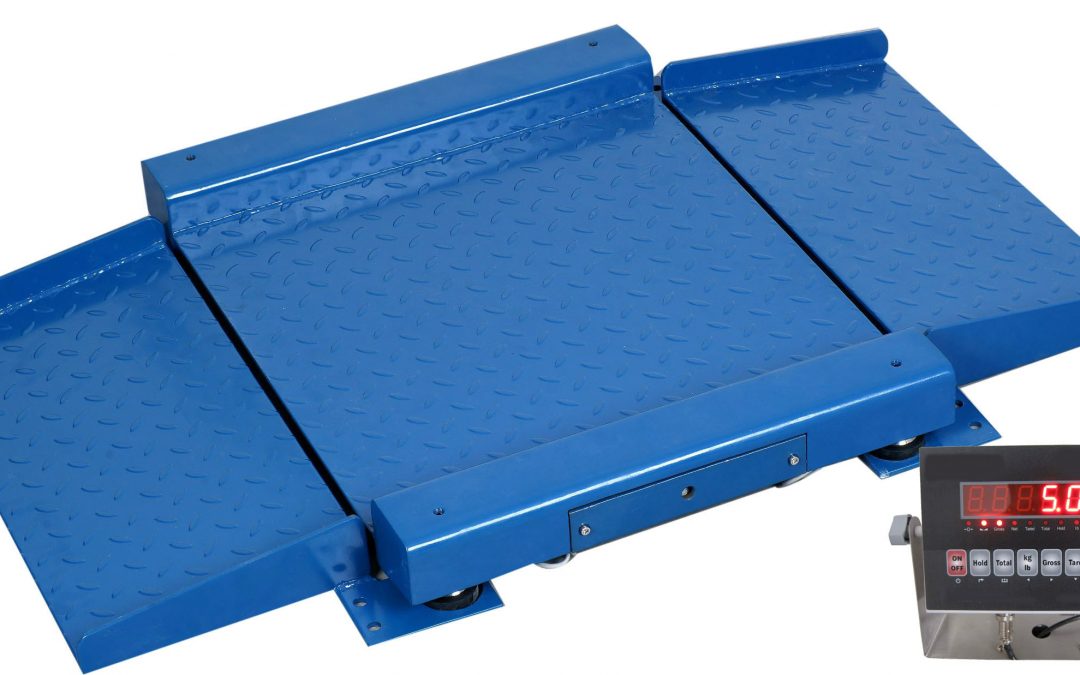
Accurate weighing is essential for businesses that buy, sell, or charge for products based on weight. In these situations, a standard industrial scale may not be enough. Legal-for-trade scales are designed for commercial transactions where the displayed weight directly affects the price paid or charged.
Understanding when this type of equipment is necessary can help businesses choose the appropriate weighing solution and maintain reliable measurements.
What Is a Legal-for-Trade Scale?
A legal-for-trade scale is weighing equipment that meets applicable requirements for commercial use. These scales are designed to provide measurements that can be used when determining the quantity or price of goods in a transaction.
Businesses that charge customers according to weight may need equipment that meets specific regulatory requirements. Depending on the application, this can include industries such as manufacturing, agriculture, food processing, transportation, and other commercial operations.
If your business relies on weighing equipment for transactions, exploring legal-for-trade scales can help you identify equipment appropriate for your application.
When Does a Business Need One?
The need for a legal-for-trade scale generally depends on how the scale is being used. If weight is used to determine the amount a customer pays or the amount a business is paid, the equipment may need to meet applicable commercial weighing requirements.
For example, a business selling products by weight may need an approved scale to ensure customers are charged accurately. Similarly, commercial operations that purchase materials based on weight may depend on reliable measurements when calculating costs.
The specific requirements can vary based on the type of transaction, industry, location, and equipment being used.
Why Accuracy Matters
Inaccurate measurements can create financial discrepancies and make it difficult to maintain consistent business operations. A scale that produces reliable readings helps businesses make decisions based on dependable weight information.
Regular scale calibration is also important for maintaining measurement accuracy. Calibration can help identify whether equipment is performing within the required specifications and whether adjustments or additional service may be necessary.
Choosing the Right Commercial Scale
Not every legal-for-trade application requires the same type of equipment. Businesses should consider factors such as maximum capacity, platform size, operating environment, and the materials being weighed.
Depending on the application, options may include floor scales, bench scales, counting scales, truck scales, or other specialized weighing equipment.
Working with a knowledgeable weighing-equipment provider can make it easier to identify the right solution for your specific operation.
Keep Your Weighing Equipment Reliable
Choosing appropriate equipment is only part of maintaining accurate commercial weighing. Routine scale maintenance and repair can help identify problems before they interfere with daily operations, while scheduled calibration can help verify continued accuracy.
If your business uses scales for commercial transactions, understanding legal-for-trade requirements is an important step toward choosing and maintaining the right equipment. The appropriate scale, combined with regular service and calibration, can help support accurate and dependable weighing when it matters most.