

In an age where agriculture is becoming increasingly modernized, there is a growing importance for precision and reliability in every facet of farming. One such area that has seen significant attention is the domain of weighing. Be it livestock, grains, fertilizers, or machinery, precise weighing ensures productivity and profitability. In this article, we will delve into the critical use cases of weighing in agriculture, and how using a specialized scale service provider, like ours, can add unparalleled value to the sector.
Use Cases of Weighing in Agriculture
Livestock Weighing
Whether it’s for breeding, selling, or health monitoring, accurate weight measurements of animals are essential. Overweight or underweight livestock can indicate health issues or inefficient feeding practices. The weight of an animal can reveal a lot about its overall well-being, potential for breeding, and its market value. Here’s a breakdown of how accurate weighing plays a critical role in these aspects: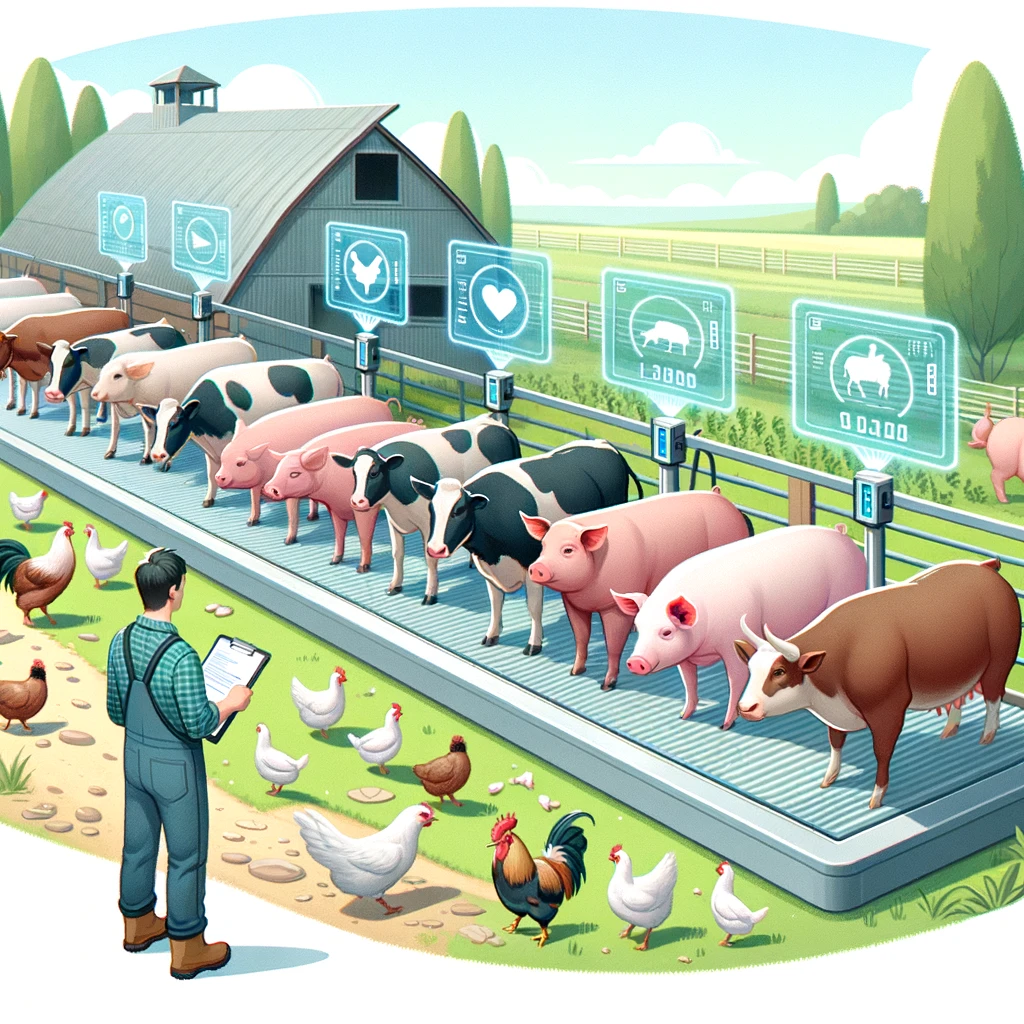
1. Breeding Purposes:
- Selecting Prime Breeders: When choosing animals for breeding, their weight can be an indicator of their genetic potential. Animals that reach target weights more quickly may have genetics that promote efficient growth, which is valuable for producing offspring that can grow to market weight faster.
- Nutritional Management: Breeding animals have specific nutritional needs, especially during pregnancy. Monitoring weight helps ensure they are getting the right amount of feed to support both themselves and their developing offspring.
- Predicting Birthing Issues: Especially in larger animals, weight gain patterns can predict potential birthing complications. An overweight pregnant animal might face more challenges during delivery than one that’s maintained an optimal weight.
2. Selling and Market Value:
- Pricing: When livestock is sold by weight, even a small discrepancy in the scales can equate to a significant difference in income for a farmer. Accurate weighing ensures that farmers receive fair compensation for their livestock.
- Meeting Market Specifications: Processors and buyers often have specific weight ranges they target for livestock. By accurately weighing animals, farmers can make informed decisions on the best time to sell to meet these specifications.
3. Health Monitoring and Management:
- Detecting Health Issues: Sudden weight loss in livestock can be an early indicator of diseases or parasitic infections. Conversely, rapid weight gain might indicate overfeeding or even specific metabolic conditions.
- Dietary Adjustments: The weight of an animal can guide farmers in adjusting feed rations. For instance, an underweight animal might need a higher-calorie diet, while an overweight one might require a diet lower in energy.
- Medication Dosing: Many medications and treatments are dosed based on the weight of the animal. Accurate weight measurements ensure that animals receive the correct dose, preventing underdosing (which might be ineffective) or overdosing (which can be harmful or fatal).
In essence, the weight of livestock serves as a valuable metric, providing insights that can influence a myriad of decisions and practices on the farm. By maintaining precise weight data using our product solutions, farmers can optimize breeding programs, maximize their returns during sales, and promote the overall health and well-being of their livestock.
Grain and Harvest Weighing
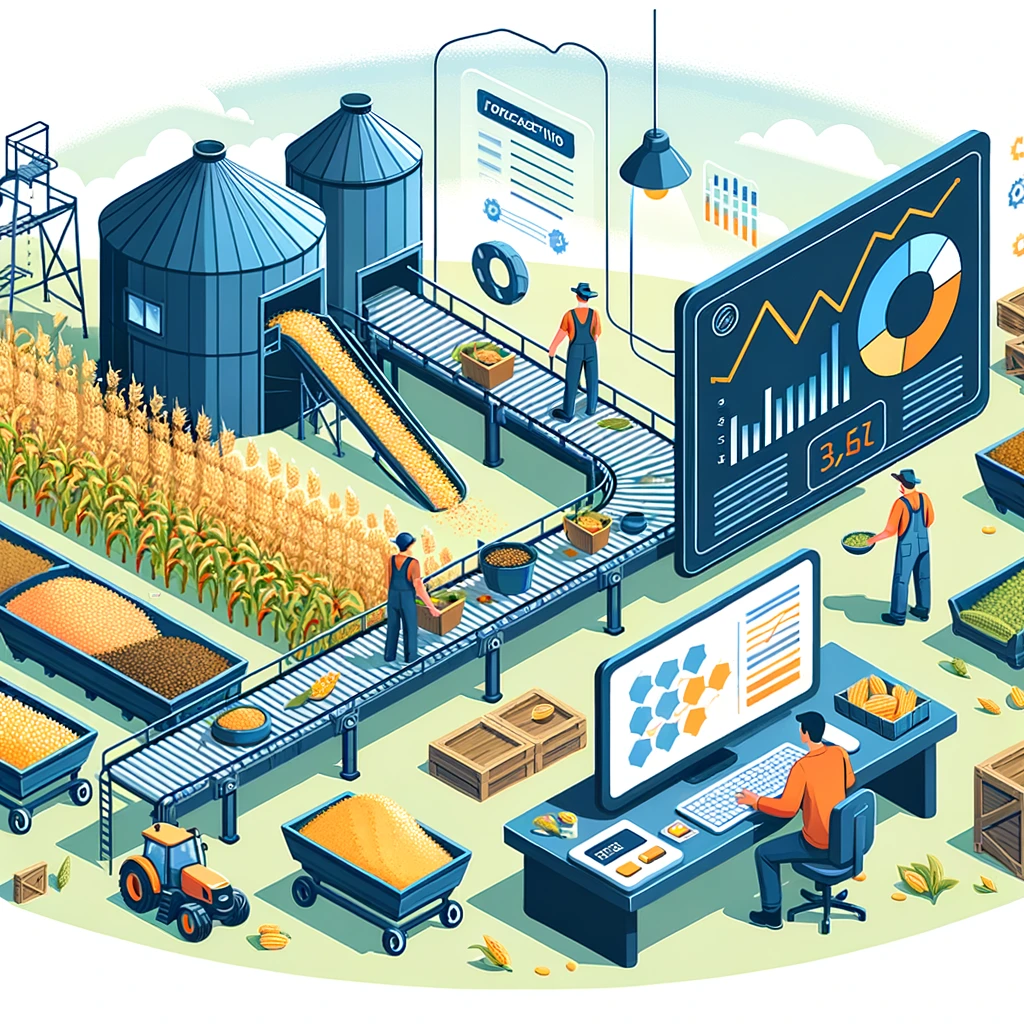
Farmers need to know the exact weight of their harvests to determine yields, storage needs, and for selling purposes. This aids in forecasting and financial planning.
1.Fertilizer and Pesticide Measurement: A Closer Look: Precise weighing in agriculture becomes especially crucial when measuring fertilizers and pesticides.
a. Environmental Impact:
-
- Runoff Concerns: Over-application of fertilizers, especially nitrogen-based ones, can lead to harmful runoff into local water systems. This runoff can cause eutrophication, where water bodies receive an excess of nutrients, leading to excessive algae growth which deprives water of oxygen, thereby harming aquatic life.
b. Economic Implications:
-
- Wasted Inputs: Over-applying fertilizers or pesticides means farmers are using (and paying for) more than they need. Conversely, under-applying can result in sub-optimal crop yields, leading to a potential reduction in income.
c. Crop Health and Yield:
-
- Toxicity Risks: Overdosing crops with certain chemicals can cause toxicity, which might inhibit growth, damage the crop or even render it unsafe for consumption.
- Insufficient Protection: Under-applying pesticides may not effectively combat pests or diseases, leaving crops vulnerable to infestations or illnesses that reduce yield and quality.
2. Machinery Load Management: Overloading tractors and trailers can lead to wear and tear or even accidents. Conversely, underloading can be inefficient. Precise weighing ensures optimal utilization. In the realm of agricultural machinery, accurate weighing plays a pivotal role in ensuring efficiency and safety.
a. Equipment Longevity:
- Increased Maintenance Needs: Overloading machinery consistently can accelerate wear and tear, necessitating more frequent maintenance or replacements.
- Shortened Lifespan: Constant overloading strains machinery components, potentially reducing the overall operational life of the equipment.
b. Safety Implications:
- Accidents and Breakdowns: Overloaded tractors or trailers are more susceptible to breakdowns, which can be hazardous, especially if carrying heavy equipment or at high speeds on roadways.
- Reduced Maneuverability: Overloading can affect the vehicle’s balance, making it more challenging to maneuver, especially in tricky terrains or tight spaces on the farm.
c. Efficiency and Productivity:
- Fuel Efficiency: An overloaded machine consumes more fuel per operation than one loaded optimally. Conversely, consistently underloading machinery means more trips or operations are required, leading to increased fuel consumption over time.
- Time Management: Underloaded machinery might mean more trips to transport the same amount of goods, leading to wasted time and reduced efficiency on the farm.
Both fertilizer and pesticide measurement and machinery load management exemplify the intertwined nature of accurate weighing, economic efficiency, environmental responsibility, and farm safety. As such, the precision offered by top-notch weighing systems is invaluable to modern agriculture.

a. Accuracy: Our scales are calibrated to provide the most precise measurements, ensuring every weight is correct down to the last unit. This precision eliminates costly errors.
b. Durability: Given the rugged demands of farming, our scales are built to withstand harsh conditions and continue functioning optimally.
c. Technological Integration: Modern farms are more connected than ever, with many relying on data analytics and smart farming techniques. Our scales can be seamlessly integrated with other systems, ensuring streamlined data collection and analysis.
d. Maintenance and Support: We don’t just provide scales; we offer ongoing support and maintenance. This ensures that any issues are addressed promptly, minimizing downtime.
e. Cost-Efficiency: By ensuring accurate measurements, farmers can save on inputs, reduce waste, and maximize sales, ensuring a rapid return on investment.
3. Going Beyond Just Weighing
We understand the intricacies of the agricultural industry. It’s not just about providing a tool; it’s about offering a solution that enhances the entire farming process. As a scale service provider, we don’t just offer a product; we partner with farmers and agricultural businesses to understand their unique challenges and needs.
By integrating our weighing solutions into the broader agricultural ecosystem, we ensure that each weight, each measurement, adds value to the entire chain, from planting to harvest and beyond.
Conclusion
In an industry as variable and unpredictable as agriculture, precision and reliability become the bedrock of success. Through accurate weighing, farmers and agricultural businesses can make informed decisions, optimize processes, and ultimately drive productivity and profitability. As your trusted scale service provider, we are committed to ensuring that every ounce, every gram, matters.